Economical Window Upgrade Offerings to Maximize Energy Efficiency
Affordable window replacement services are integral in boosting a home’s energy performance. Homeowners frequently experience rising energy bills, creating a demand for practical solutions. Energy-efficient windows, featuring products like Low-E coatings, can have a major impact. However, it is important to understand the available options and the possible expenses involved. Examining these factors may lead to not just immediate savings but also long-term advantages for both the home and its value. What next steps should homeowners take?
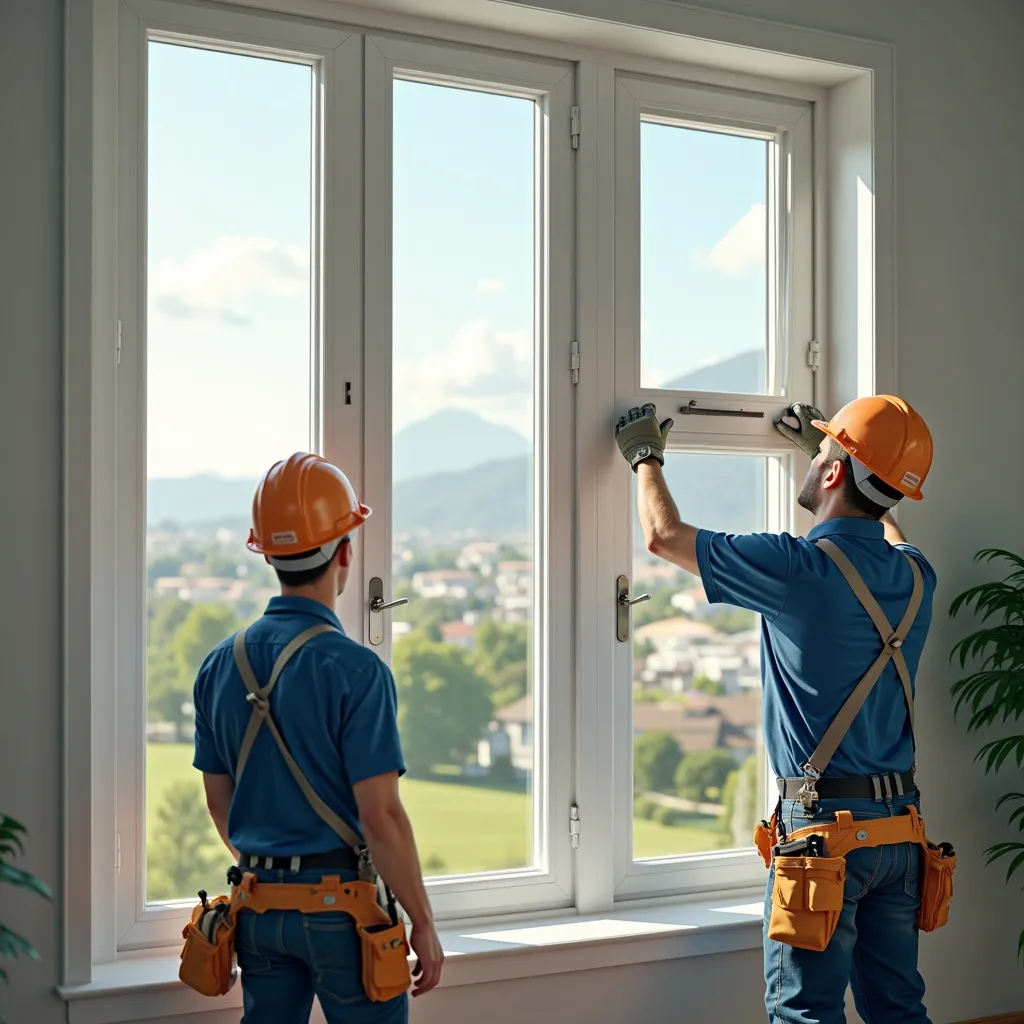
Understanding the Benefits of Replacing Windows for Improved Energy Performance
Although homeowners often neglect it, replacing outdated windows can substantially enhance energy efficiency. Older windows may allow air leaks and thermal loss, resulting in increased utility costs. By choosing window replacement, homeowners can markedly reduce energy usage, thereby lowering costs. Modern window styles feature advanced technologies that reduce air leakage and enhance thermal protection.
This not only contributes to a more pleasant home environment but also decreases the dependence on HVAC systems. Additionally, energy-efficient windows often come with capabilities that block damaging UV radiation, safeguarding interiors from fading. Homeowners may also take advantage of potential tax credits or rebates for upgrading to efficient window solutions. Ultimately, window replacement functions as a smart investment, producing long-term savings while enhancing the total value of the property. As energy efficiency becomes more critical, the decision to replace old windows emerges as a sensible choice for many homeowners.
Important Properties of Sustainable Windows
Energy-efficient windows are characterized by several key attributes that improve their functionality and efficiency. One of the primary features is multiple glazing, which consists of two or three layers of glass separated by gas-filled spaces, delivering exceptional thermal protection. Low-E coatings are another important feature, reflecting heat back into the room while allowing natural light to enter. This reduces energy loss and assists in regulate indoor climate.
Furthermore, energy-efficient windows frequently include insulated frames built with materials like vinyl or fiberglass, which yield superior thermal resistance relative to traditional wooden frames. Sealed perimeters and weather stripping additionally minimize air leakage, boosting the window's overall energy performance. Finally, a high energy performance rating, such as ENERGY STAR certification, confirms that windows adhere to strict energy efficiency guidelines. These features work together to bring about reduced energy costs and improved livability within the home.
Finding Budget-Friendly Window Replacement Solutions
Locating reasonable window replacement services can be a tricky task for homeowners trying to enhance energy efficiency without breaking the bank. To navigate this process, homeowners should start by looking into local specialists who excel at window replacement. Online comments and rankings can supply useful information into the quality of service offered.
In addition, obtaining several quotes is essential; this helps homeowners to compare prices and services. Many companies also provide financing options, which can lessen the upfront costs tied to window replacement.
Homeowners may also explore seasonal promotions or discounts, as many service companies offer special deals during particular seasons. Finally, consulting local energy efficiency programs can provide suggestions for budget-friendly options and potential rebates, further lowering expenses. By adhering to this process, homeowners can find cost-effective window replacement options that enhance their home's energy performance.
Cost Analysis: Windows vs. Energy Bills
When evaluating window replacement, it is crucial to analyze the expenses associated with different window types alongside potential energy savings. Putting money in energy-saving windows can result in substantial decreases in monthly energy bills over time. This analysis helps homeowners comprehend the ongoing monetary advantages of their choices.
Window Styles And Associated Charges
Determining the right window type can greatly impact both upfront expenses and sustained power efficiency. Different window materials and styles come with different price points, affecting the overall budget for replacement. For instance, vinyl windows tend to be the most economical option, while wood and fiberglass windows typically carry higher costs due to material quality and aesthetic appeal. One-pane windows are cheaper upfront but offer less insulation compared to double or triple-pane options, which can considerably elevate expenses. Homeowners should also take into account installation costs, which can vary based on window type and local labor rates. Ultimately, comprehending the cost implications of each window type is essential for making a well-considered choice that balances budget and efficiency.
Extended-Period Energy Savings
Putting money into eco-friendly windows can result in considerable long-term savings on energy bills since these windows are built to reduce heat loss and gain. Over time, the lowering in heating and cooling expenses can balance out the initial cost of window replacement. For example, homeowners might see a reduction in energy bills of 10-25% after fitting top-quality windows. This leads to significant yearly savings, especially in areas with harsh weather. Furthermore, energy-efficient windows typically qualify for tax credits and rebates, making them even more affordable. By weighing the initial outlay of window installation against long-term energy bill savings, homeowners can make smart choices that favor both their budgets and the environment.
Approaches for Seeking Efficient Energy Incentives for Window Replacements
Obtaining energy efficiency discounts for replacing windows can greatly reduce costs. Property owners should investigate regional rebate initiatives and check for available federal tax credits. Additionally, reviewing utility company offers can discover additional cost-saving options.
Uncover Local Promotional Programs
How can property owners maximize their financial gains when replacing windows? One effective approach involves researching local incentive programs. Many municipalities and utility companies offer rebates or financial assistance for energy-efficient window replacements. Homeowners should start by checking their local government's website or contacting energy efficiency organizations. These platforms often deliver information on available programs, eligibility requirements, and application processes.
Furthermore, property owners can contact window replacement contractors who may understand local incentives. Joining local community groups or social media platforms can also offer valuable insights into available programs. By investing effort in explore these options, homeowners can substantially decrease their out-of-pocket expenses while boosting the energy efficiency of their homes.
Check Government Tax Credits
What opportunities are available for homeowners looking to capitalize on federal tax credits for energy-efficient windows? Homeowners can investigate the federal tax credit programs that encourage the installation of ENERGY STAR-certified windows. These tax credits can considerably lower the overall cost of window replacement, making energy-efficient choices more affordable. To qualify, homeowners should verify that the windows satisfy specific energy performance criteria specified by the Internal Revenue Service (IRS). Additionally, they should maintain receipts and manufacturer certifications to confirm eligibility when filing tax returns. Remaining knowledgeable about changes in federal tax legislation is essential, as these programs can evolve. Speaking to a tax professional can offer clarity and maximize potential savings connected with these federal incentives.
Talk to Utility Company Deals
Homeowners interested in to enhance energy management through window replacement should consider consulting their utility companies for available rebates. Many utility providers provide incentives to encourage energy-efficient upgrades, which can significantly reduce upfront costs. To seek out proper programs, homeowners should visit their utility company’s website or contact their customer service department. It is necessary to check specifically about window replacement rebates, as eligibility requirements and amounts may vary. Additionally, homeowners should check that the replacement windows meet the energy efficiency standards set by the utility provider. By taking advantage of these offers, homeowners can not only decrease their energy bills but also aid a more sustainable environment. This proactive approach can provide meaningful long-term savings.
Should You choose to do Window Installation independently or hire a professional Expert?
When considering window installation, the choice between a do-it-yourself method and employing an expert can significantly affect both outcomes and expenses. For the DIY enthusiast, the appeal of reducing costs can be attractive. However, this approach demands a solid understanding of tools, construction regulations, and correct installation procedures. Mistakes can result in increased energy costs and further expenses due to potential damage.
Conversely, choosing a professional ensures competence and high-quality results. Experts are supplied with the essential tools and knowledge needed to deliver a hassle-free process, which can significantly boost energy performance. Additionally, they commonly include guarantees, offering an supplementary assurance for homeowners.
Ultimately, the decision should take into account the individual's skill level, financial resources, and the difficulty of the installation. Evaluating these elements will help determine the best path to attain the best outcomes while maintaining cost-effectiveness.
Long-Term Cost Reduction: Figuring Out the ROI of New Windows
Choosing new windows can markedly influence a home's energy efficiency and comprehensive value. Homeowners commonly seek to understand the lasting savings associated with this commitment. Energy-efficient windows, designed to restrict heat loss and gain, can point in significant diminishments in heating and cooling costs.
To determine the ROI, one must first consider the upfront expenses of window replacement against the anticipated energy conservation over time. Industry estimates suggest that efficient window installations can lower energy costs by 10% to 25%. Additionally, some areas provide rebates and tax incentives that can further enhance savings.
Homeowners ought to also evaluate the boost in property value, as energy-efficient improvements often appeal to future buyers. Ultimately, while the upfront costs may seem intimidating, the long-term benefits of lower energy bills and enhanced home value can make new windows a prudent decision.
Frequently Common Questions
How Much Time Can You Anticipate Energy-Efficient Windows to Last?
High-efficiency windows typically stay functional between 20 to 30 years, reliant on conditions such as construction standard, installation, maintenance, and climate exposure. Diligent upkeep can substantially enhance their service life and performance over time.
What Are Typical Indicators That Windows Require Replacement?
Windows might require replacement if you observe apparent air leaks, moisture between panes, difficult-to-operate conditions, degraded frames, and higher monthly bills. Such red flags demonstrate diminished performance and structural risks needing immediate action.
Is It Possible to Exchange Windows in Winter?
Yes, window substitution can be done in winter. Experienced professionals employ weather-resistant methods to reduce heat loss, ensuring effective installation despite cold conditions. Homeowners can enjoy improved energy efficiency without major delays during the colder months.
What financing alternatives are offered for window replacement solutions?
Many window replacement companies offer various payment solutions, such as low-interest loans, installment options, and financing programs. Homeowners can explore these alternatives to manage costs efficiently while similar information improving their property's energy performance and aesthetics.
What Method Should I Use to Pick Out the Right Glass Style for My Dwelling?
Picking the right window style entails reflecting on the home's architectural design, energy efficiency, and personal preferences. Researching various styles, collaborating with professionals, and considering factors like climate can help ensure a suitable and aesthetically pleasing choice.
Comments on “Muldrow Window Replacement for residential window installation projects”